Have a go. Answer Twinkle.
Every adventure begins with a question.
Your child explores, decides, and changes the story.
It is not a game. It is thinking, and it shows.
"Twinkle said to check it myself." She came and told ME herself. A tablet has never once made her want to prove something to me.
Children leaning on AI instead of their own minds is my worry. Twinkle does the opposite: it makes them want to think first, and to question the confident answer.
"How do you know?" James asks at dinner, about everything. I did not teach him that. Twinkle did.
Get to know how your child thinks.
A few honest lines each week about the small things Twinkle noticed. No grades, no charts, no comparison to any other child.
Today Mia questioned an AI character instead of trusting it, stopped to think how someone else felt, and did not give up after getting it wrong.
One plan. Two ways to pay.
Try everything free for 7 days.
Cancel anytime.
All six worlds, a new activity every day, the weekly letter, and Twinkle Anywhere.
Start free$8.25 a month, billed yearly.
Everything in the monthly plan, as one yearly payment.
Start freeThe same world, on paper.
Two books from the world of Twinkle. The same ideas, in a form you can hold and read together.
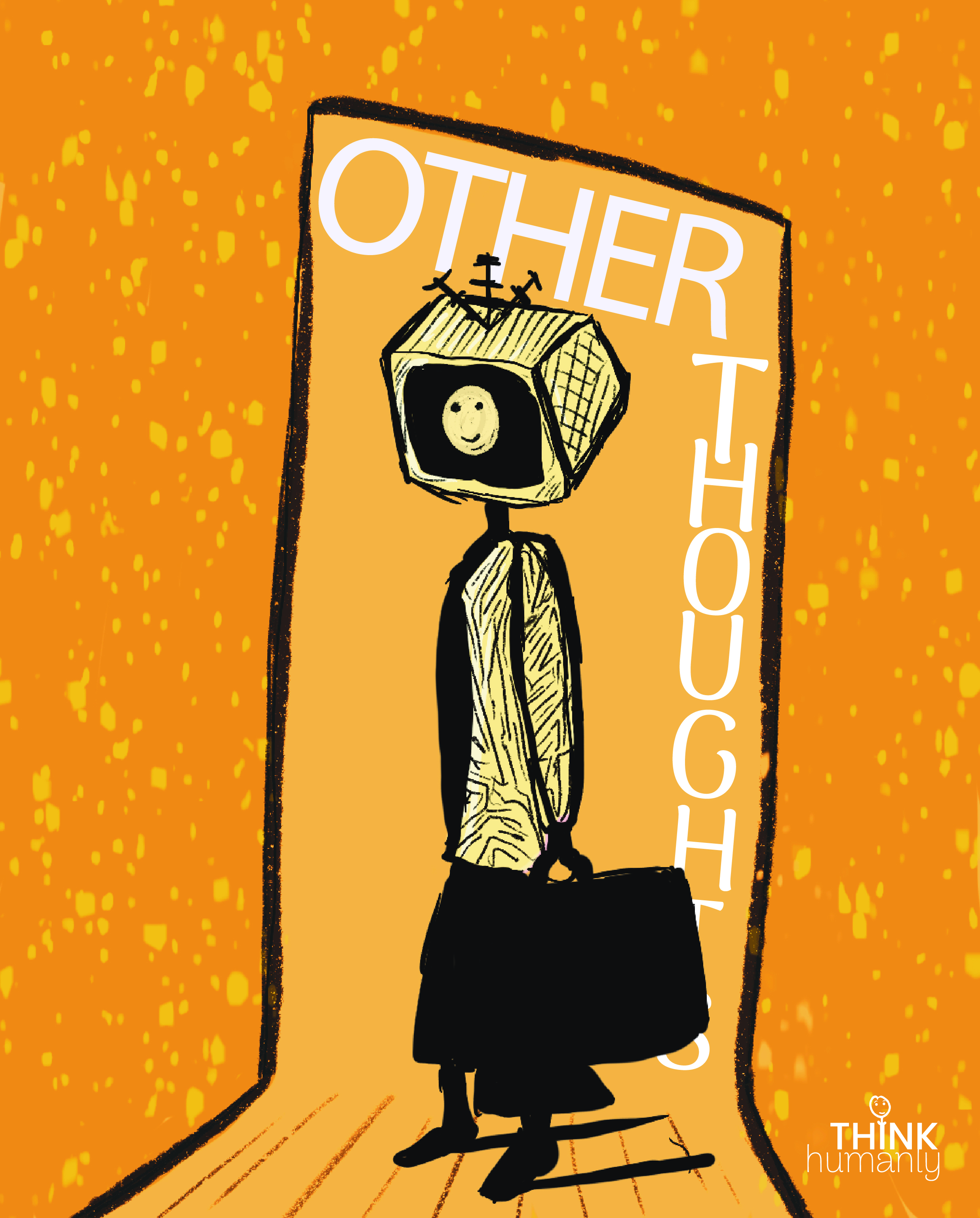
Other Thoughts
A Humanly guide to AI
A social emotional learning workbook for critical thinking in the age of screens. Puzzles, creative challenges, and real conversations about what AI is, why it gets things wrong, and what human thinking will always be.
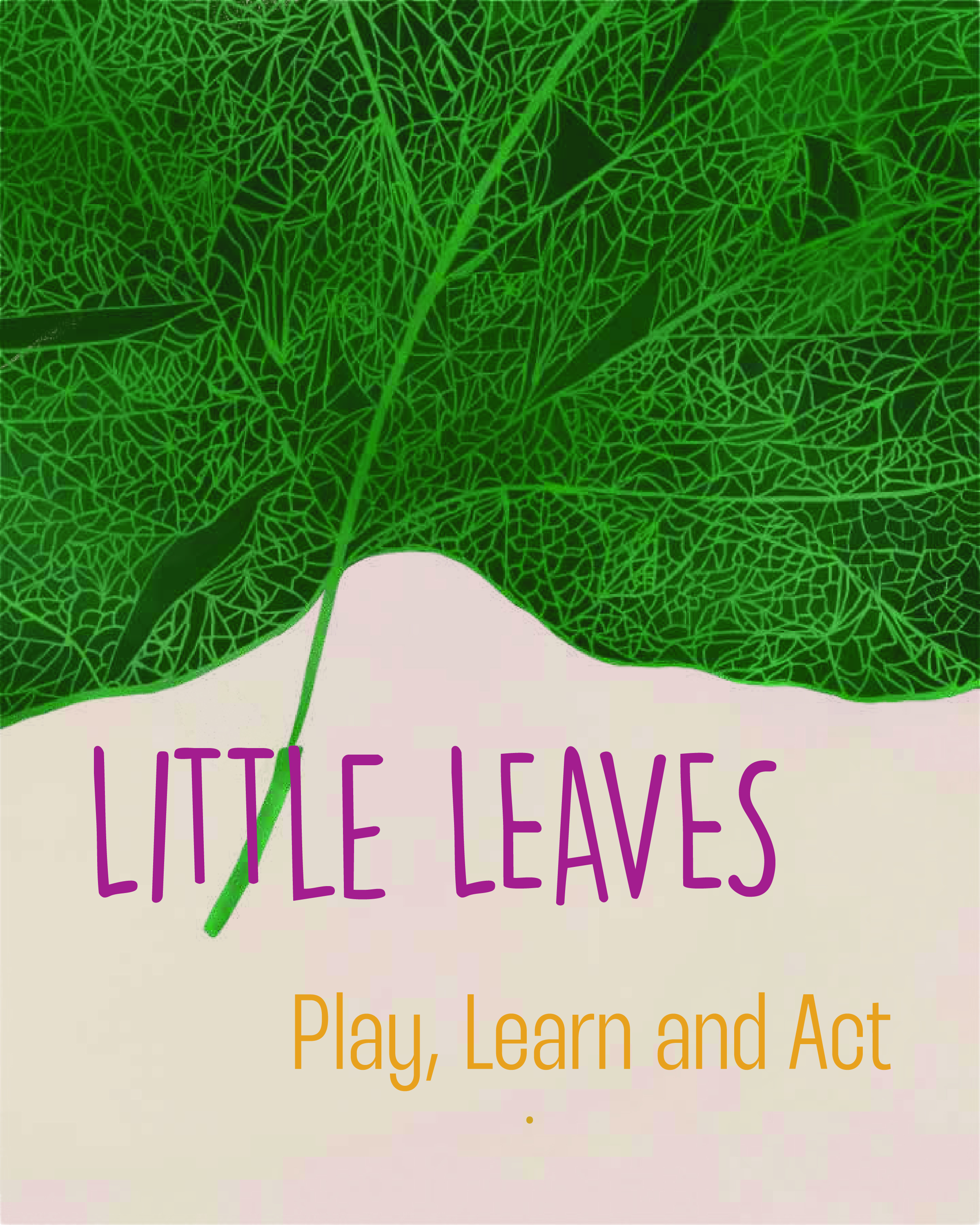
Little Leaves
Play, Learn and Act
A screen-free guide to kindness and digital citizenship. Drawing, storytelling, and hands-on activities that help a child discover who they are, how they learn, and how they connect with the world.